6th November 2023

Listen
Listen
On the 1st of June 2026, a pioneering free event took place on campus. The first ever MuseologyX Symposium bought together experts in the field of museology to discuss the new frontiers facing museums today.
Dr Richard Benjamin, founder of MuseologyX notes: ‘The idea for MuseologyX came about as I began developing my research when I arrived as a Visiting Professor of Slavery and Public Engagement in 2021. It marked the beginning of a research journey that, while grounded in my practical experience as a museum head, also allowed me to think about the things I had been unable to engage with creatively to the desired degree, to dissect the mechanics of that role, and to connect some of those experiences with ideas. Being part of a museological framework is somewhat different from navigating the discourse from outside, and it offers insight that real-time museographical work does not often allow. I hope through MuseologyX we begin to create new connections and Borg-like networks, sharing knowledge through a connected hive-mind, to mutually develop our own research and group prospects and opportunities.’
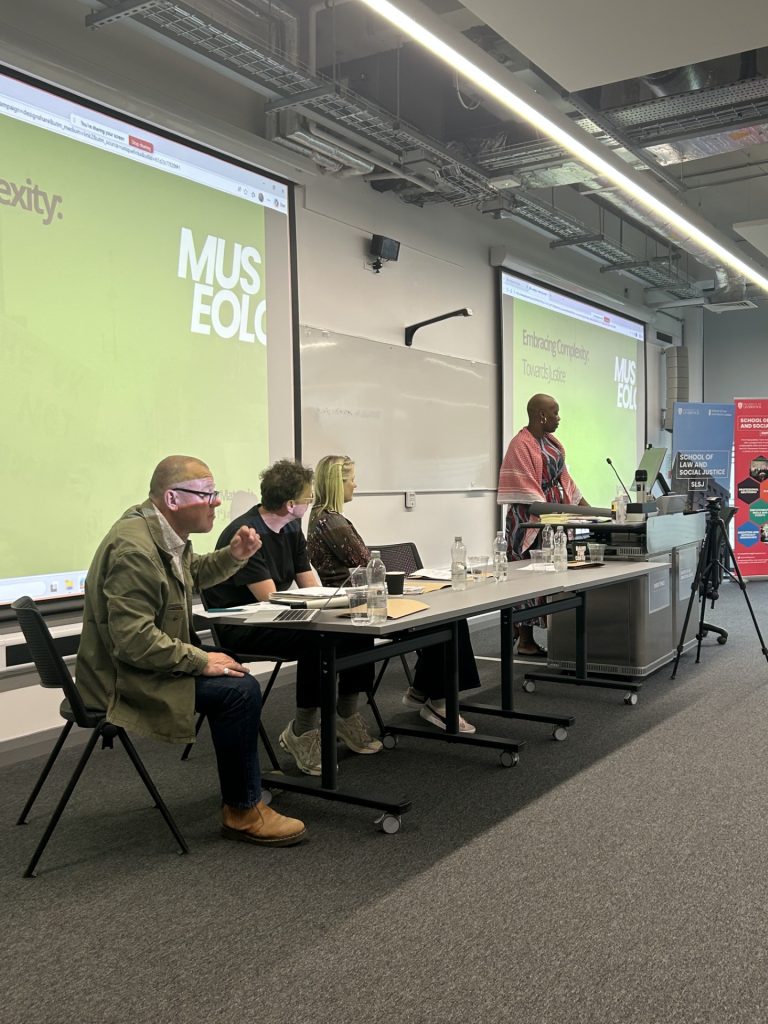
Put simply, museology is the academic and professional study of museums. As with every academic term, ‘museology’ encompasses a multitude of schools, ideas and practices. Before attending MuseologyX, I didn’t have much understanding of how museology ‘worked’ in a wide sense. I decided to attend the event to learn more about museology in practice, and found out much more than I anticipated.
The day was structured into three main panels made up of a range of experts. Each speaker delivered their own 12-minute presentation which worked really well. In the past, some panels I’ve attended have been a little difficult to engage with because I’ve not had the chance to properly get to know each participant. Allowing the contributors to properly explain their work was incredibly successful, as it helped me to engage fully without expert knowledge.
The first session of the day focused on space and curation. Just like the whole day, this session helped reframe the perspectives through which I examine museums. Dr Justine Reilly’s explanation of her initiative ‘The Neurodiverse Museum’ showed how the experience of visiting is different for neurodivergent people. Kudazi Matsvai spoke on justice and how to dismantle the system that museums exist in entirely. One method of dismantling could be investigating the human remains being held by museums and universities. Professor Dan Hick’s talk on this subject was one of the most impactful moments of the day for me, as it really shocked me to learn how unregulated the storage of human remains is even today. I also learnt about the treatment of objects with pesticides during Associate Professor Torgeir Rinke Banstad’s talk. The Space and Curation workshop created so many connections between the different aspects of what it takes for a museum to be curated, and for people to feel comfortable in a museum space that represents them.
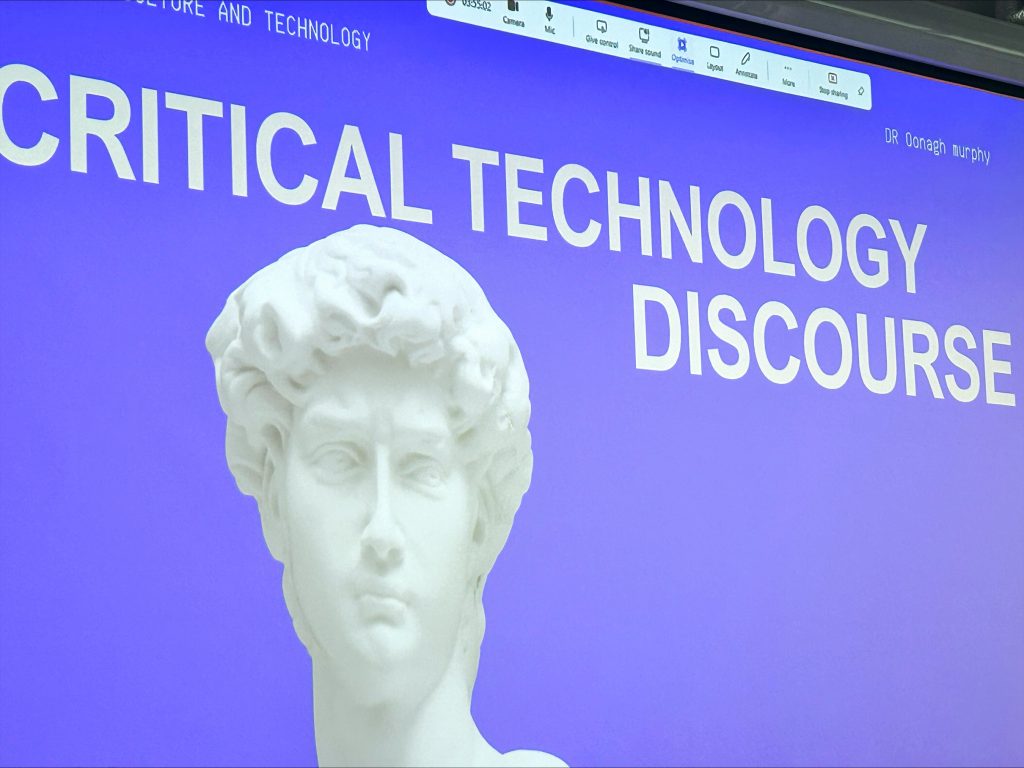
I went into the emerging technologies and digital session with almost no knowledge on the technology used in museums. Talks from Associate Professor Andrea Ballatore and Professor Sarah Kenderdine introduced how tracking data and using cutting edge tech can bring museums into a new age. Museums no longer merely put objects behind glass and hope the public comes. There are so many tools and technologies used to attract visitors and provide them with a meaningful experience. It goes without saying that AI is going to transform how museums operate. It’s something that I’m very wary of, but Dr Oonagh Murphy’s fascinating discussion into her work left me feeling optimistic. Instead of burying our heads in the sand, it is important for museums to understand how AI works and the balance of its risks and benefits. AI will never replace the roles of curators and creatives in the museum space, but knowing how AI could potentially be used in a safe and ethical way is something museums will need to understand.
The final session on ecosystems was a great opportunity to hear more about how different museums operate outside of the Global North. It’s vital that these conversations do not happen in a British or European vacuum, so hearing about how museology is approached in different countries is the only way for progress to occur. Dr Esther Breithoff’s explanation on how natural history collections are curated and Dr Bruno’s discussions on how museums interact with the public. Interaction with the people of Lagos was also key in Seun Oduwole’s talk on The John Randle Centre for Yoruba Culture and History. Museums are not just buildings containing objects, they’re a vital opportunity for the general public to learn about history and shape its meaning.
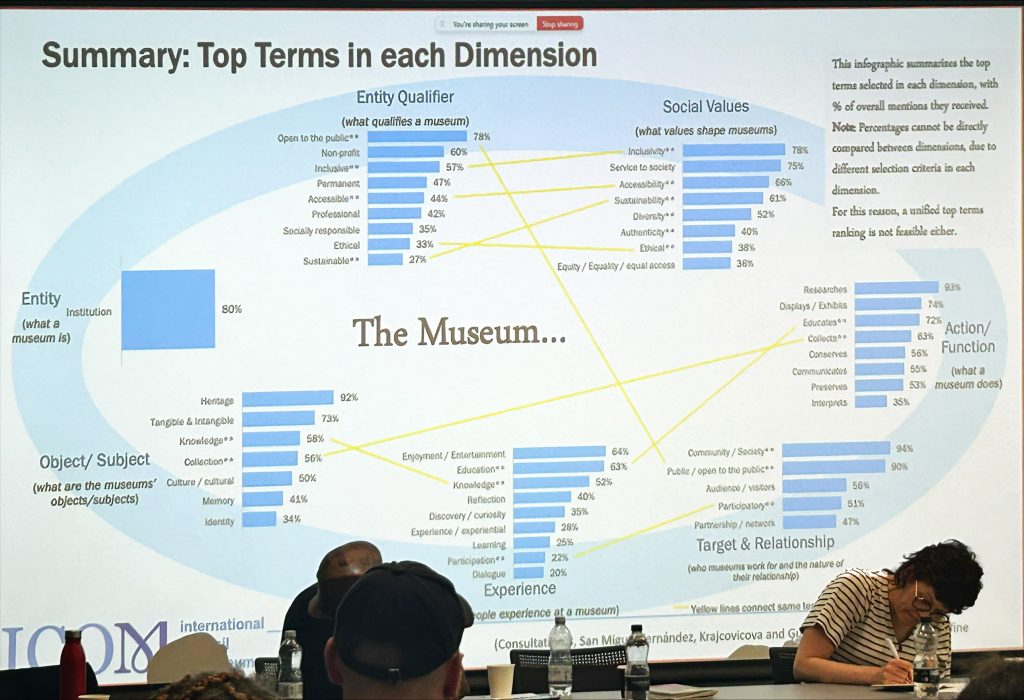
MuseologyX may have only lasted a day, but its legacy is going to stretch far beyond this. Bringing together global experts, local museum staff, and students there was a real sense that MuseologyX is going to have a long and successful future. I’m excited to see what change it can bring, and what it achieves in the future.
For more information contact Dr Richard Benjamin, founder and Senior Lecturer in Contemporary Museum Practice richard.benjamin@liverpool.ac.uk
For more on campus news, please click here: https://www.liverpoolguildstudentmedia.co.uk/category/on-campus/