6th November 2023

Listen
Listen
(The thumbnail will make sense later on in the article)
When I say the term ‘fan edit’, many of you around my age will easily recognise what I am referring to. It is a somewhat taboo term within the mainstream but I would argue it is one of the primary factors sustaining modern fandom. It is building upon media texts which both predate, coincide with and surpass the concept. So, what is it?
Condensed media – acting as a form of what Henry Jenkins calls textual poaching – that most of the time borrow existing footage from both audio-visual and static texts. Developing and growing over time, the definition of fan editing has shifted depending on the period; while initially the term was affiliated with fan modifications of film cuts – serving as an alternative version which offers a different viewing experience to reflect a vision or address shortcomings -, it is now associated with shorter yet fast and slow-paced montages of TV shows, art, books and video games.
Modern fan editors tailor their videos to an “audio of one’s choice”, which integrate memes and popular audios whilst often adapting to social media trends; these edits focus on “snippets of individual characters and relationships, and they only rarely address overarching plot structures or themes”. This promotes a sense of historical revisionism (where you question and change the beliefs about how things happened or what their importance and meaning is).
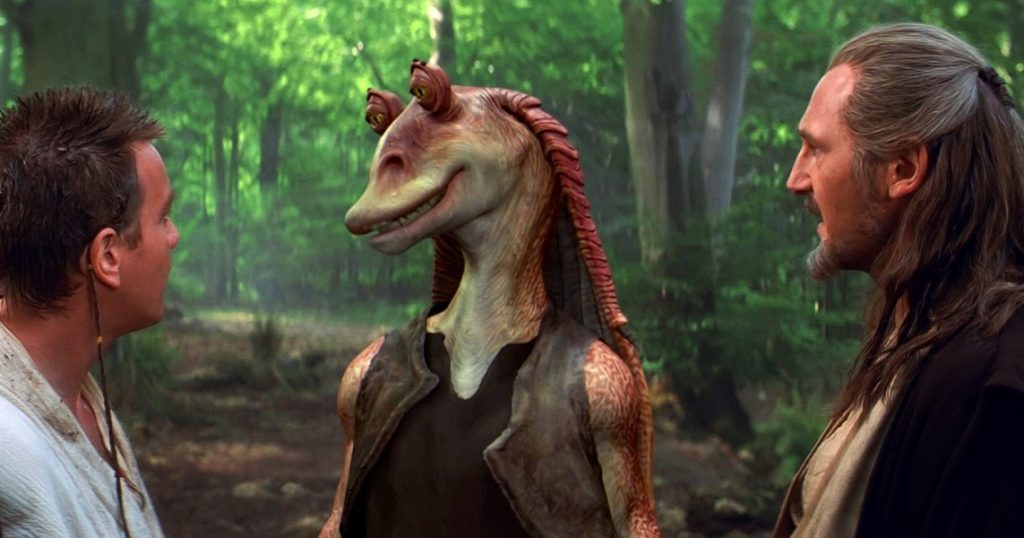
The first prominent mainstream example of fan editor productions is The Phantom Edit, a modified version released a year after 1999’s Star Wars: Episode 1 – The Phantom Menace. An editor who used the persona of ‘The Phantom Editor’ had been developing his rework, while Lucas finished working on Episode 2: Attack of the Clones. To do so, the fan digitised a videotape copy of Episode 1 and altered the film on a desktop computer (shots were condensed, repositioned and entire scenes were removed, such as comedic elements with Jar Jar Binks); fans praised The Phantom Edit for revitalising Lucas’ original vision, while many forged an oppositional reading against the tampering of Lucas’ work.
It was eventually revealed that The Phantom Editor was LA professional film editor Mike J. Nichols (he informed Wille in an email in 2014 that it was “simply intended for personal viewing” but entered the public domain via a friend choosing to disperse a videocassette version to unknown Hollywood parties between 2000-2001, eventually being shared on the Internet). Nichols remastered his original work and created a sequel edit for Episode 2 until he gave up fan editing.
Now why is Nichols’ work so significant to fan editing?
Well, it is a reflection of an individual’s ability to recontextualise and display subjective content which audiences could personally identify with and revel in. Fans at the time didn’t think it was feasible to edit a feature film due to limited hard drive space, with Nichols being a symbolic martyr for user-generated content. Additionally, many audiences in film’s early iterations were under the impression that films exist as a singularity, but edits such as The Phantom Edit challenged this dominant ideology by offering alternative perspectives and broadening public understanding.
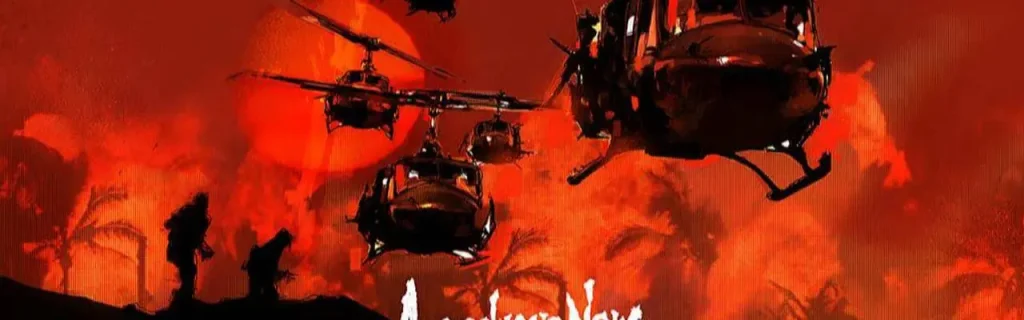
Other IPs such as Francis Ford Coppola’s release of Apocalypse Now: Redux in 2001 (the film originally debuted in 1979) and Steven Spielberg’s updated 2002 version of the 1982 classic ET: The Extra Terrestrial built upon this revisionist method to filmmaking. This had “demolished the idea of a film as a single, finished product in the minds of the movie-viewing public” by perceiving it as a “work-in-progress, which exists in multiple permutations, and can always be tinkered with in the future, whether by the director or by anybody else”, forging these subcultures that embrace the act of bricolage (using existing content to produce new material).
However, these new ‘cuts’ are far shorter – done so on “basic nonlinear video editing software” standardised on most computer OS rather than “traditional film editing equipment” – and attempt a more stylistic approach to retain audience engagement. In doing so, the public discourse surrounding cinema is that it is “a fluid medium rather than one which exists in a fixed form”.
Nowadays, fan editing is misconstrued by academics, journalists and those external to editing fandoms, with Wille proclaiming they often will briefly discuss it rather than have a full-on discussion. In doing so, fans are described as “disgruntled” but to me, I perceive fan editing as a form of self-expression that promotes the same sense of interpellation (where audiences recognise ideology within texts) as an official media product.
For example, an edit of a female character created by a female which is empowering within its introduction and compiles clips perhaps promotes feminism, specifically the sub ideology of xenofeminism (challenging the patriarchal dominance within science and technology); this term was coined by the collective Laboria-Cuboniks in their 2015 Xenofeminist Manifesto, serving as a “contemporary strand of feminism revolving around the refunctionalization of technology”. While in this scenario, the female editor isn’t part of a certified organisation, she is still able to provide interpellation to her audience through this fan edit. This idea of anyone be able to create fan edits if they set their mind to it is perhaps part of the appeal.
Fan editors are these experimental artists and storytellers that interact with media texts through a more practical means, “actively producing something new with digital technologies”. A key event exhibiting this motivation was in May 2013, where several Fanedit.org – which was founded in 2007 by Boon23 to develop an environment for those interested in fan editing – admins hosted an interactive panel for the BlasterCon science fiction convention in LA, remarking their desire to “explore narratives and forms” rather than “fix or reclaim”. To prove this, they screened several edits made in various styles and emphasised that fan editing helps “artistically reconfigure media”.
Fan editing began as somewhat niche and then entered mainstream society, becoming somewhat condoned by the industry (evident from Lucasfilm’s complaint to Boon23 for the removal of 1 fan edit from the site, despite at least 80 Star Wars fan edits still being present on the website). However, it does raise issues regarding legality due to bordering on copyright infringement and piracy. To challenge this, fan editing communities insist their works are “noncommercial, experimental projects”, with Fanedit.org reinforcing the 1976 US Copyright Act. This enables the duplication of copyrighted works for certain non-commercial personal uses.
We can see this now on social media platforms such as Instagram – with its popularity growing in 2017 after the disabling of Vine, resulting in the ‘transition edits’ phase – and TikTok (this especially grew in popularity via its short form content approach, making Instagram edits mostly obsolete) but also YouTube via these creators posting content. This is comprised of editing tutorials, challenges and reaction videos; for example, content creators Vivian Shea – or bratayleyspower – and Lauren – also known by the online persona of emowhofromwhoville – act as these digital opinion leaders who share content resonating with their respective target audience.
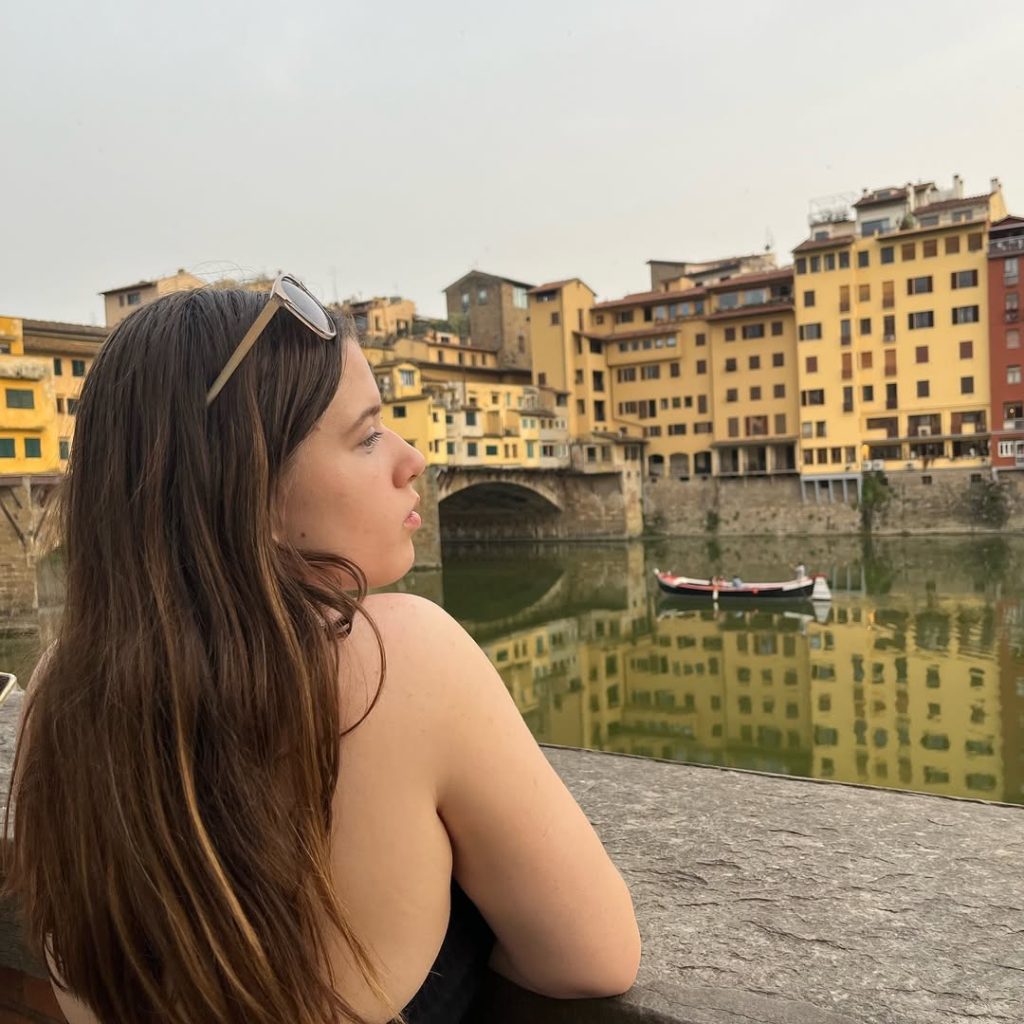
Shea is recognised for her unconventional editing style within her YouTube videos via high-pitch voice modulation, sound effects and quick wipe transitions (some notable conventions of her video formatting are edit tutorials, challenges, rankings, and audio compilations). A favourite of mine is her going undercover as a Last of Us editor for a week.
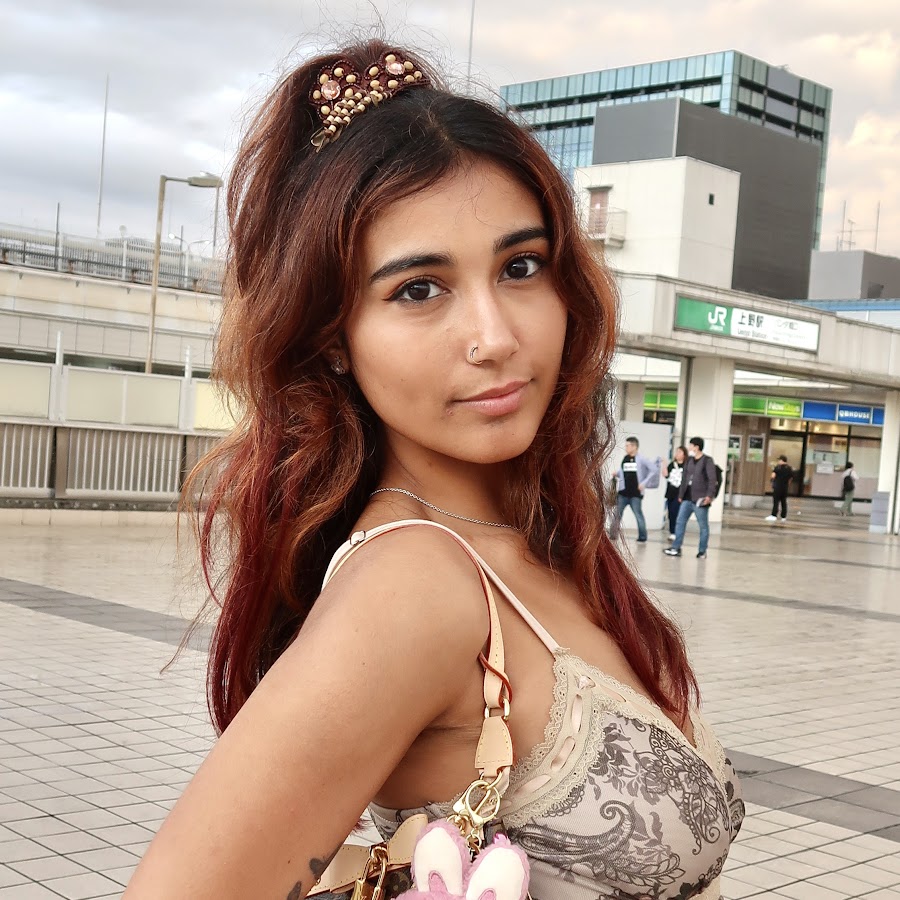
Lauren is a huge fanatic of K-Pop and has done many editing videos, such as starting a TXT editing account for a week, ENHYPEN edit account and hijacking a KATSEYE fanpage. However, she does also post other forms of editing content, such as her trying out the Jugg editing style, which reflects how the editing community “as a whole has evolved” (0:35-0:40) from visually ‘stiff’ edits made on Cute Cut to the more advanced Element 3D motion graphic edits made on After Effects. Lauren describes Jugg as “intentionally choppy and glitchy” (0:43-0:47), with the style encompassing glitch effects, shakes and rapid transitions via zoom in/outs and twixtor.
Twixtor is often used as an umbrella term by editors using different applications – After Effects/Capcut/Alight Motion/etc – for slow motion; this term is derived from a software plugin developed by RE: Vision Effects (a group of industry veterans comprised of computer scientists, artists, software programmers and experts). Academy Award VFX winner Nick Brooks defines it as representing “a new touchstone in retiming” and Video Systems Magazine depicts it as “the best plug-in method for creating speed changes, slow-motion effects and frame-rate conversions”; this highlights its prominence within not just amateur productions but also high-quality, industry-centric endeavours.
My experience is that twixtor is incredibly beneficial in imitating this cinematic appeal of slowed down footage which is smoothly rendered. That is if you’re a desktop editor.
On After Effects, the base version offers a somewhat undesirable effect of Time Stretch, unable to achieve the fidelity of optical flow – which is the apparent motion of an object arising from the movement of an observer through a visual environment. In other words, optical flow is the illusion of dynamic movement within visuals (think of a flip book – those books where each page captures a singular frame and there are slight changes when you traverse quickly through them). Twixtor provides a more professional display to viewers. Otherwise, the alternatives are far more difficult in achieving this desired process.
Edits do not adhere to 1 format but instead are a mixture and combination of different elements, with the following just a few actually defined ‘styles’ which I have come across and can recognise, such as:
There are likely far more terms and sub-terms linked to these styles, but fan editing is not a fixed concept. Rather, it is a dynamic entity which will continue to shift and grow. These styles are mixed with what I deem as 4 specific tones: badass, happy/soft, sad and aesthetic (this is more the general artistic side of a media text that concerns its cinematography and setting instead of focusing on a key individual).
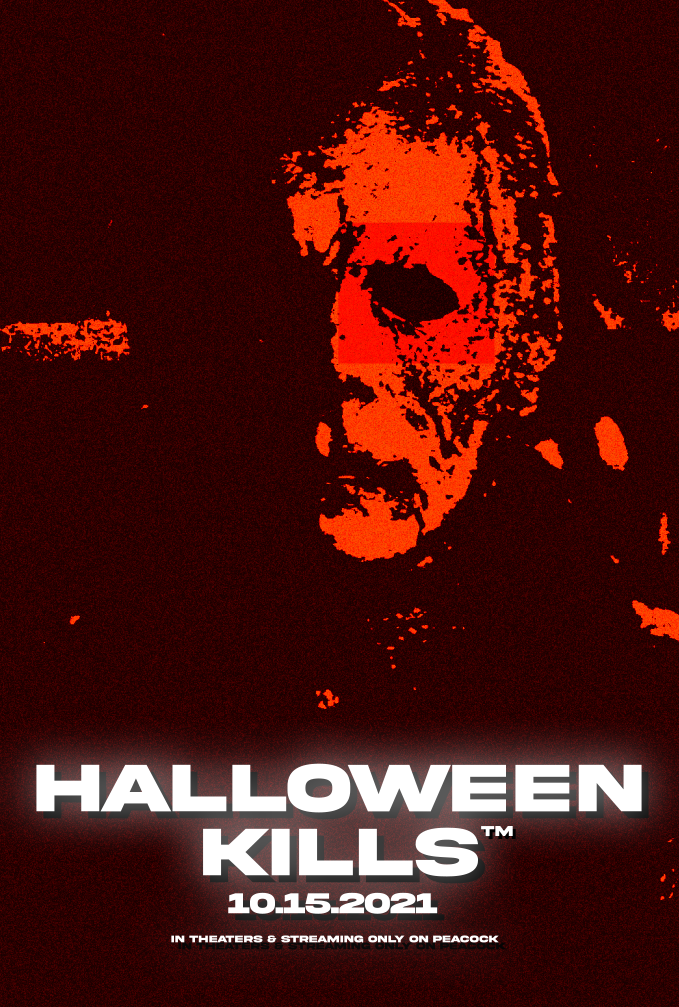
I would dispute that graphic design is partly embedded within fan editing, since often we are reworking existing IPs into something else which reflects our own ideologies and interests. This promotes a democratic editing culture by transforming passive fans into active creators. I have recently gotten into graphic design the past few weeks and have been working on these:
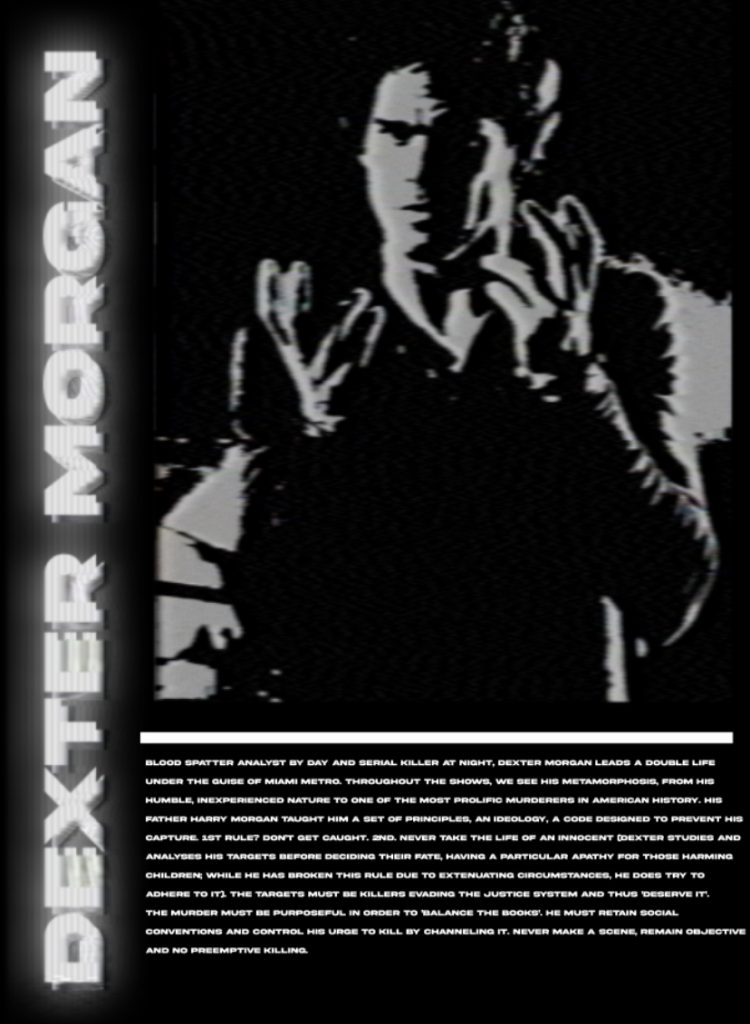
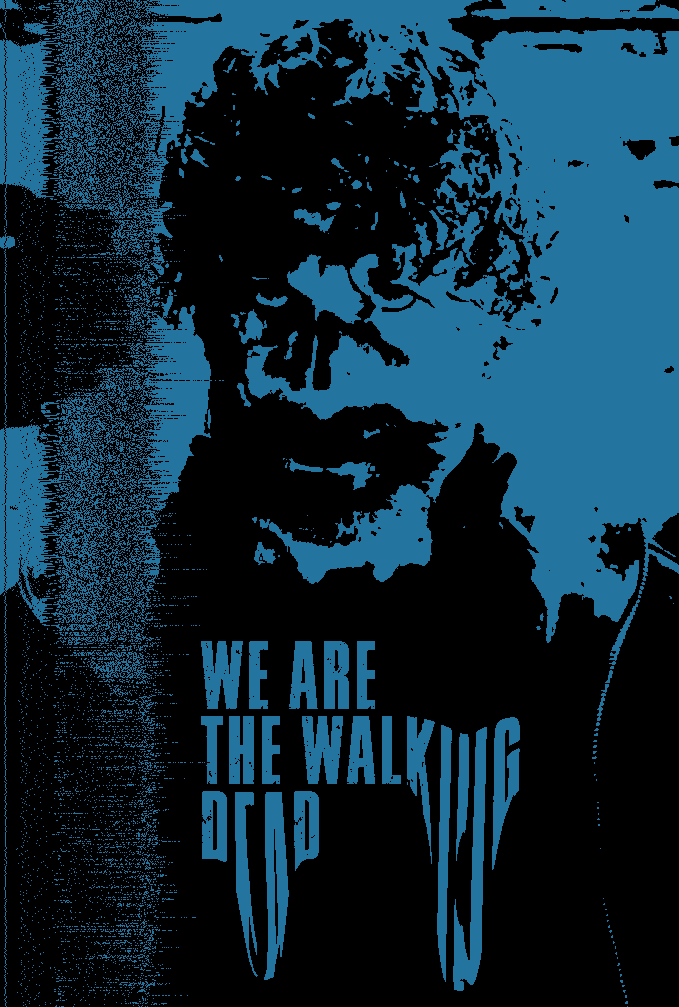
For fan editing, I believe there are 2 distinct groups which we must consider:
What ties these 2 groups together is the moral ambiguity of regulating these fan edits due to concerns of piracy. For instance, in 2012, the US Department of Justice seized Megaupload.com, a controversial service that many fan editors utilised for somewhere to host works (this deactivation rendered hundreds of links to fan edits redundant). To combat this, fan editors have discovered alternative file-hosting sites (with the most popular in my opinion being MEGA despite its quota) and other sharing methods (Discord servers) despite copyright disputes.

(For those who have reached here, you can finally understand the context behind the thumbnail!)
The most prominent example I can think of regarding the second group would be the Brat Summer phenomenon of 2024: this was the mass consensus of “people crav[ing] a validated space for unapologetic, chaotic authenticity”, a “community formed by people disillusioned with the false promises of puzzle culture” which challenged “groomed ideals of youth and femininity in favour of hedonistic desires” (1:28-1:45). These individuals embraced homophily (tendency for us to seek out like-minded people) via the recognition of “you’re not the only one feeling kind of insecure and messy about life, relationships and yourself” but to instead recognise their self-worth.
As Divya asserts, this experience was supplemented by Charli XCX’s hit songs from her Brat album, such as Apple and 365. When Charlie tweeted on July 22nd 2024 that “kamala IS brat”, it took the world by storm; CNN had reported the news, informing the public how Kamala Harris’ X page changed to the same brand identity as Charli’s album via ‘Chartreuse’ green and a vertically stretched version of the Arial font (her team had done so to capitalise on the young demographic’s political interests).
The Brat aesthetic was so popular among the masses that it became a TikTok trend, with CNN citing fan edits created by flextillerson, olvsens and bettythanrevenge; this arguably contended with the somewhat taboo nature of short-form fan creations, which I think is because fan edits often hypersexualise individuals for comedic effect (this can often detract from their identity as forms of storytelling, since creators provide this content as a sort of ‘vicarious thrill’ for perhaps themselves and audiences).
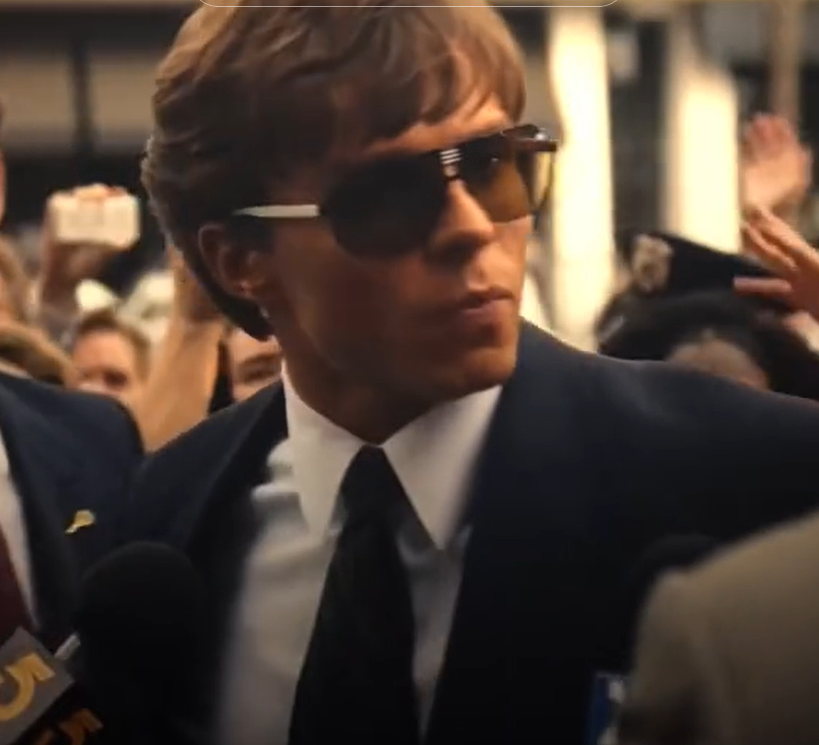
I remember when Ryan Murphy’s second chapter in his Monsters anthology TV series came out, which revolved around Lyle and Erik Menendez. During this time, fans would offer an array of mostly ‘thirst edits’ which circulated around TikTok, with one of the most popular being from user aurelis (2024) of Lyle Menendez. Currently, it stands at 80.8 million views, 7.2m likes, 1.8m saves and over 868,000 reposts.
The actor Nicholas Alexander Chavez reacted to these thirst traps by informing People Magazine how he shocked he was – with his girlfriend Victoria Abbott showing him a video of several people in a college classroom watching aurelis’ edit – but he found it humorous and remarked how he was glad “people are having fun”. He also added that he respects how people “bond and connect with each other”.
However, this oversexualisation can also be detrimental depending on the individual’s response. During a red carpet interview by Access Hollywood for The Mandalorian S3, they asked Pedro Pascal to read thirst tweets concerning him; he paused and then politely rejected the offer, challenging the pervading identity as “internet daddy” in favour of a more dignified persona.
While he did engage with an Entertainment Tonight reporter in January 2023 who asked him “You know you’re the daddy of the internet, right?” with “I am your cool, slutty daddy”, this doesn’t justify the excessive sexualisation of him unless he has publicly clarified he is fine with it (and even then, this may not be the entire truth, so we as a society should tread carefully with projecting our wants onto others).
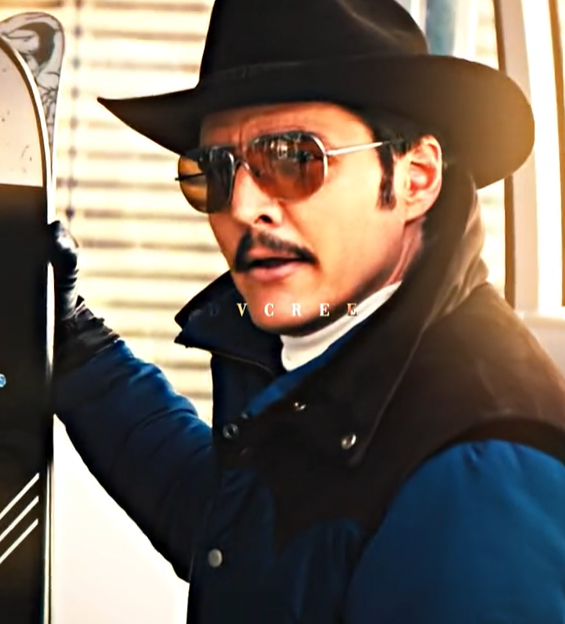
TikTok increased this notion of Pascal as a sexual icon via dvcree’s fan edit going viral on January 20th 2023, compiled of clips regarding his role as Agent Whiskey from the Kingsman franchise. This was monetised via the sketch of Fancam Assembly – released on February 5th 2023 -, where Pascal plays the teacher Mr Ben educating his students to “not make fancams of school staff”. While this was clearly for entertainment purposes, it subliminally reinforced this commodification of Pascal as a romantic symbol.
So, here we are. From its initial conception via Nichols’ revolt against Lucas’ original vision to more contemporary digital content of video and/or photo montages with music and effects, fan edits are something which my generation are constantly subjugated to. This is done via social media algorithms that perpetuate the once underground activity to mainstream status.
Any questions? Feel free to contact me via johnjoyce4535@gmail.com!
Check out my last piece: To Binary and Beyond: Capturing the History of AI
Extra reading I’d recommend:
To read more opinion pieces, click here:
https://www.liverpoolguildstudentmedia.co.uk/category/opinion