6th November 2023

Listen
Listen
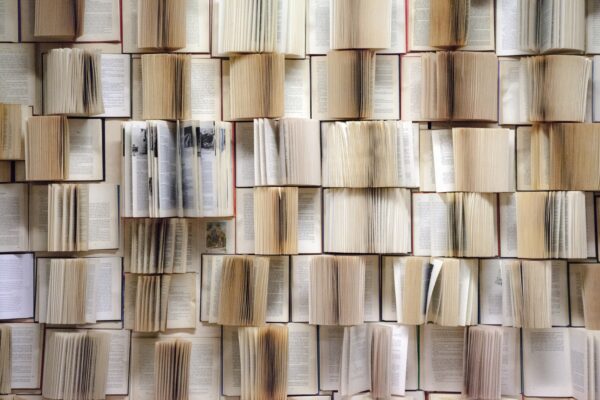
There is a unique kind of guilt reserved for the book you started reading only to put aside 3 chapters in. It sits on your bedside table, quietly judging you each time you reach for your phone instead. You’re 100 pages in, completely uninterested in the plot, and yet you still feel pressured to persist. Surely abandoning it now would be giving up before it really begins?
Enter DNFing: the art of Did Not Finish. And perhaps it is time we stopped treating it like a literary crime.
Somewhere along the way, reading books for genuine pleasure became another quantitative goal to achieve; and, with the emergence of ‘BookTok’, boasting the number of novels we are consuming each month appears to be prioritising stats over literary appreciation. In this sense, finishing a novel becomes a somewhat performative accomplishment in itself, regardless of whether or not we actually enjoyed it. Literature is no longer something to experience and enjoy, it is another box to tick.
But what is the point of reading if we are not enjoying it? Spending weeks ploughing through a book that simply isn’t working for you is destroying the joy of experiencing a novel for what it is. There are plenty of other writers to discover, and putting down one novel might mean finding another that genuinely resonates with you.
With that said, not every slow start deserves a premature ending. Some literature demands patience, while some deliberately frustrates us before revealing its true message. There is also something distinctively rewarding about persevering with a difficult book instead of reaching for the nearest ‘easy read’. The problem lies not in persisting with a text that challenges us, but feeling obligated to finish a novel we don’t get along with, as though abandoning a read reflects badly on us as readers.
A DNF is not always a verdict on a book’s quality either; sometimes the writing style isn’t for us, the timing is wrong, or we simply change our minds. The answer may lie in learning the difference between giving a book a fair chance and promising it our undivided loyalty. Read a chapter, fifty pages, or carry on until you decide that it is or isn’t for you. There is no universal rule, and placing pressure on finishing every book you start marks a slippery slope where opening a novel becomes a chore rather than a hobby.
For more arts and culture, please click here: https://www.liverpoolguildstudentmedia.co.uk/category/arts-culture/