
6th November 2023

Listen
Listen
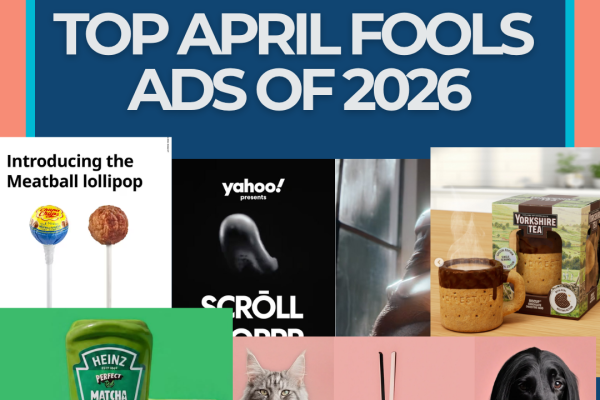
With the recent passing of April Fools’ Day, I thought it would be a good time to reflect on some of my favourite brand pranks from this year. What was once a day for harmless personal jokes has now become a surprisingly competitive space for companies, each trying to outdo the other with increasingly creative (and occasionally believable) ideas.
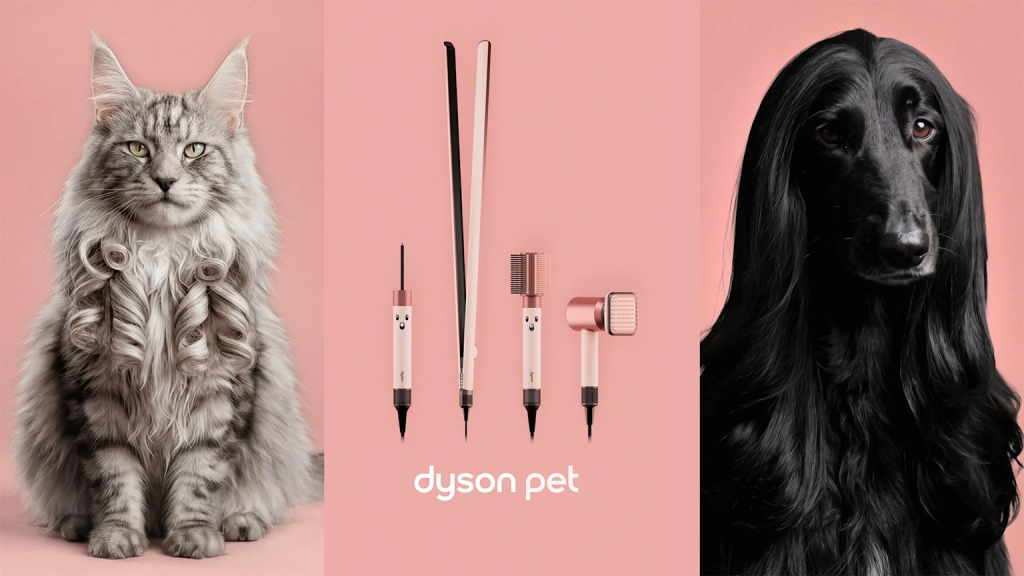
One standout this year came from Dyson, with its “Pet Styling Range.” Known for its sleek, high-end technology, the idea of Dyson branching into luxury pet grooming tools didn’t feel entirely out of place. That’s what made it so effective. The concept sat just on the edge of believable, tapping into both the brand’s identity and the ever-growing market of pampered pets.
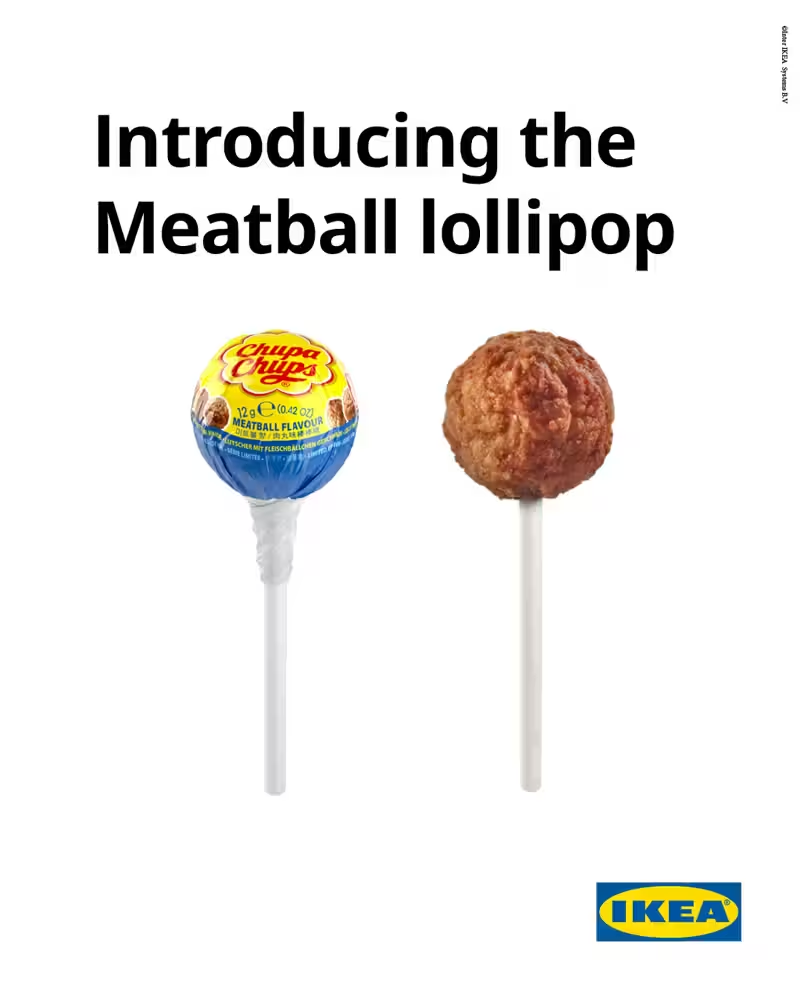
IKEA took a more self-aware approach with its “Meatball lollipop” concept, turning its famous delicacy into a bizarre spin-off item. The visual of a perfectly formed meatball on a stick is playful and absurd, yet still rooted in one of IKEA’s most recognisable products. It’s simple but highly effective as it reinforces IKEA’s branding and logo into the eyeline of their audience.
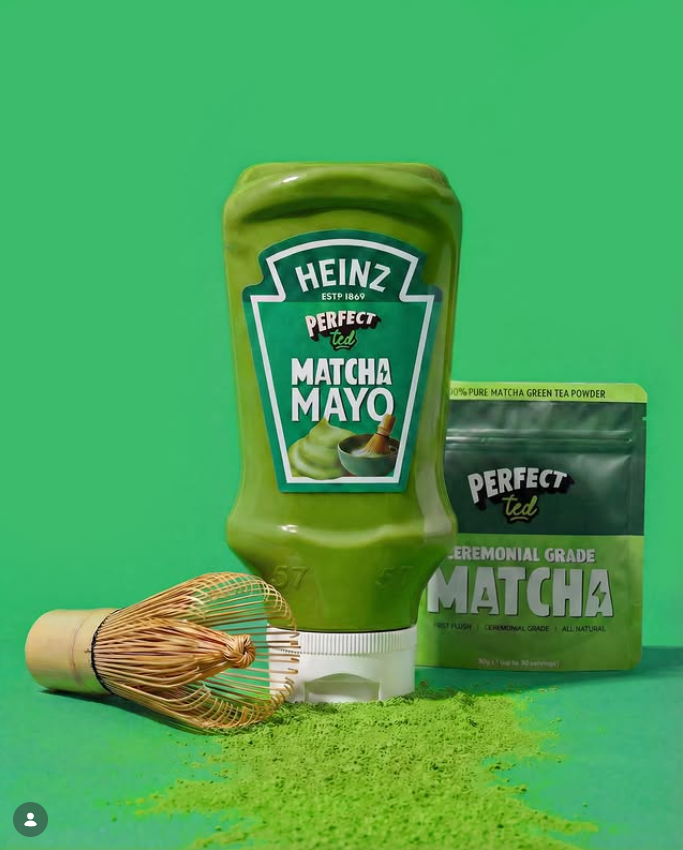
Meanwhile, the collaboration between PerfectTed and Heinz leaned into the ongoing trend of unexpected brand partnerships. Their “matcha mayo” creation is exactly the kind of bizarre combination that feels both ridiculous and oddly possible in today’s food landscape. With experimental flavours and crossover products becoming more common, the line between joke and reality becomes increasingly blurred. Furthermore, the concept positions Heinz as a more trendy brand as it is seen merged with PerfectTed’s extremely relevant product.
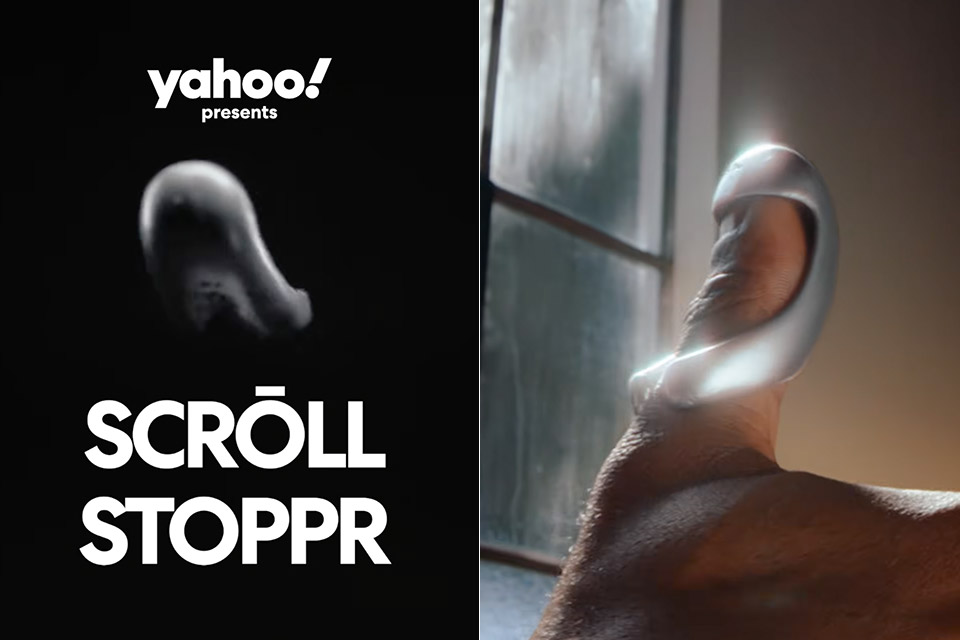
Yahoo’s “Scroll Stopper” stood out for a different reason. Marketed as a device designed to physically prevent endless scrolling, it taps into a very real, modern issue. The concept feels slightly dystopian, but not entirely out of reach, which is exactly why it works. Unlike more obviously comedic pranks, this one resonates because it reflects a genuine problem many people recognise in themselves.
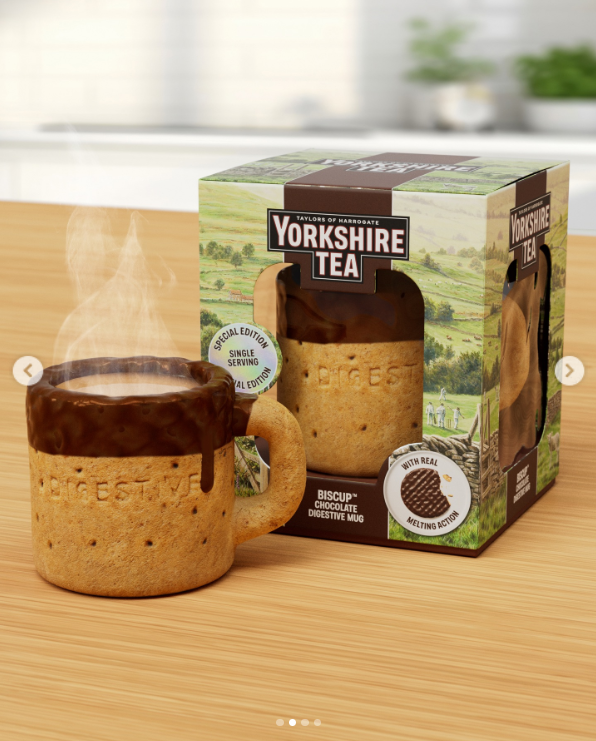
Finally, Yorkshire Tea offered a more comforting kind of humour with its “Biscuit Brew Mug” — a mug made entirely from biscuit, designed to be eaten after use. Rooted in British tea culture, the idea is both nostalgic and impractical, striking a balance between novelty and familiarity. It’s the kind of invention that sounds like a joke, but also something people would genuinely want to try (including me).
What ties all of these pranks together is how well they reflect each brand’s identity. The most successful April Fools’ campaigns don’t just rely on randomness; they exaggerate what we already associate with a brand, or tap into current trends in a way that feels believable and drags brands back into public consciousness.
And while none of these products will be appearing on shelves anytime soon, it’s hard not to feel that at least a few of them might actually find an audience if they did.
For more news, please click here: https://www.liverpoolguildstudentmedia.co.uk/category/news/