6th November 2023

Listen
Listen
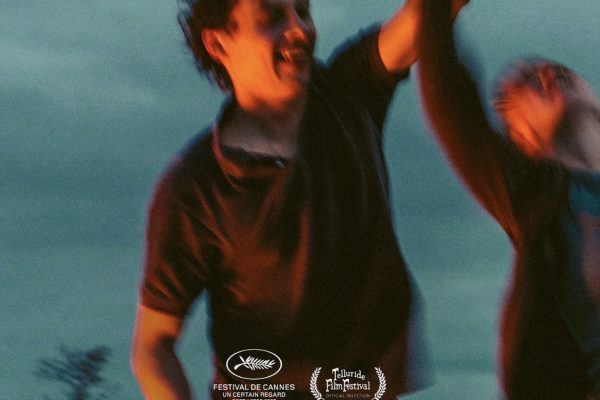
Harris Dickinson’s first feature as a director, (having previously directed some shorts and music videos) Urchin is a strong yet flawed film.
A character study, the film centres on Mike (played by Frank Dillane), the film’s eponymous urchin.
We follow Mike as a young man living on the streets of London attempting to find a kind of stability, meanwhile struggling with employment, sobriety and his inherently self-destructive nature.
In his presentation of the film’s subject matter, Dickinson broadly succeeds. Never veering into a sermonising agitprop polemic or a sentimental canonisation of its protagonist, he sensitively handles Mike’s homelessness.
Instead, Dickinson in a quietly empathetic manner, presents Mike as a figure defined as much by his flaws as he is by his strengths.
As the film’s lead, Dillane plays the part of Mike brilliantly, carrying many of the film’s trickier narrative beats with such an ease that one suspects the film would have been a lesser work without his presence.
He plays Frank as a young man trapped in a free fall of his own self-destructive making, capable of both callous violence and naïve vulnerability, reaching out for, and pushing away, any kind of understanding, be that of himself, or of others.
Like many first features however, Urchin is slightly disjointed in its cohesion and could have perhaps benefited from a tighter edit. Certain scenes run slightly too long, and others run too short. Moreover, certain symbolic gestures towards the end of the film are perhaps too keen to state their significance, and could have instead been treated with the same sort of subtly and nuance seen earlier in the film.
Yet, as an entry into the tradition of social realism in British film, Urchin is no doubt a generally successful picture capturing, with nuance, the joys and despairs of Mike’s solitary existence.
Poster credit to the film’s distributors.
For more reviews, please click here:
https://www.liverpoolguildstudentmedia.co.uk/category/reviews